

A Dance therapy is a powerful form of therapy that combines the body expression of dance with therapeutic practices.
This innovative approach uses dance and movement as vehicles to promote emotional, physical and mental well-being.
By integrating the benefits of dance with therapeutic guidance, Dance Therapy provides a safe space to explore and process emotions, promoting self-knowledge and healing.
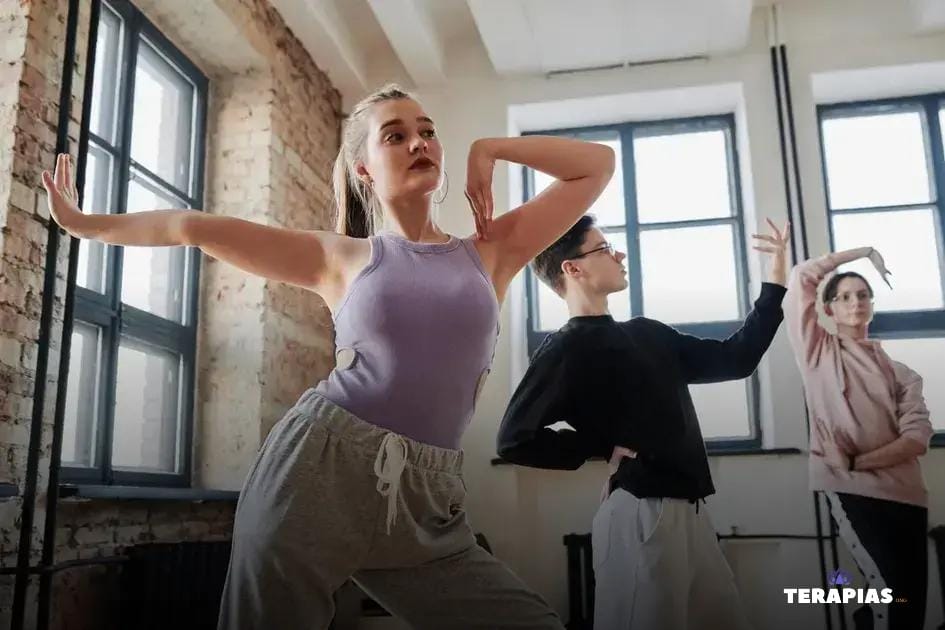
Dance therapy is a form of therapy that uses dance and movement as tools to promote physical, mental and emotional well-being. The main aim of this practice is to integrate body and mind, providing greater body and emotional awareness.
Through dance, practitioners have the opportunity to express their emotions, release tension and explore new ways of relating to themselves and others. Dance therapy can be carried out individually or in groups, and is led by a specialized therapist who uses specific techniques for each case.
These are just some of the benefits that dance therapy can provide, and regular practice can bring significant results for the health and well-being of people who adopt it into their lives.
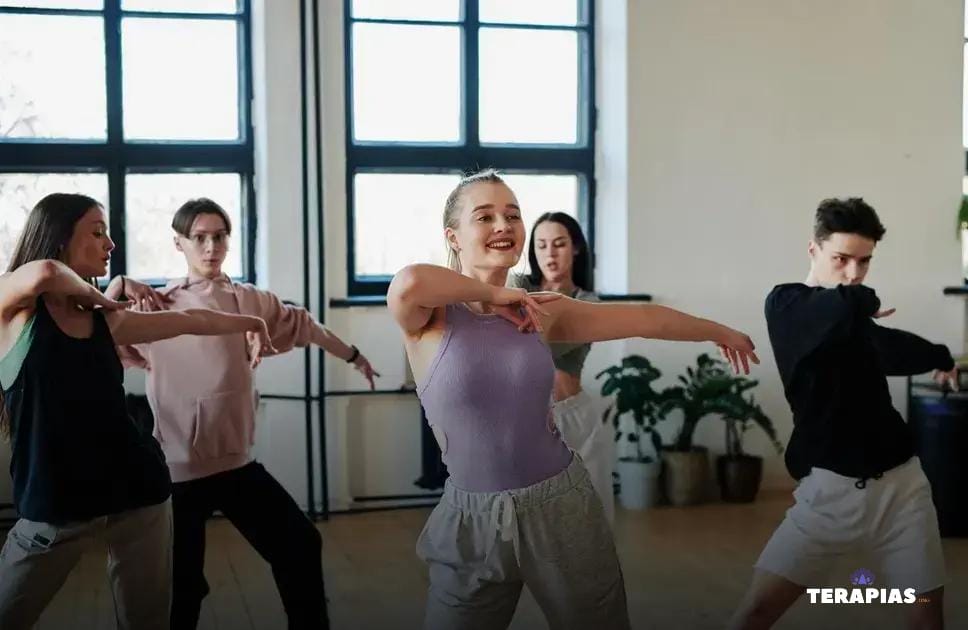
Dance has the power to become an effective form of therapy for many people. Through movement, expression and connection with music, dance can become a valuable tool for promoting physical, mental and emotional well-being.
Dance allows people to express their emotions, thoughts and experiences through body movement. This form of expression can be especially useful for those who have difficulty communicating verbally, allowing them to explore and process their feelings in a non-verbal way.
Music plays a fundamental role in dance therapy, as it can evoke emotions, memories and physical sensations. The combination of dance and music creates an environment conducive to emotional exploration and the release of tension, contributing to the relief of stress and anxiety.
The practice of dance as therapy can help people reconnect with their bodies, promoting body awareness and self-acceptance. By exploring different movements and postures, participants can develop a greater understanding of their physical and emotional patterns, enabling transformation and personal growth.
In short, dance becomes therapy by offering a unique form of expression, connection and self-exploration, promoting healing and well-being in a holistic way.
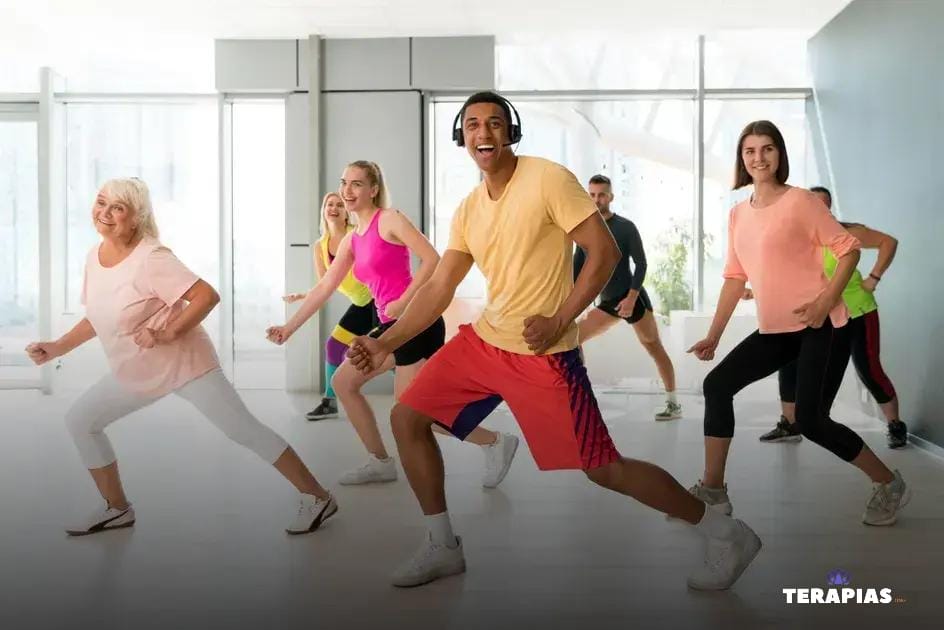
Dance therapy offers a wide range of dance styles that can be incorporated to meet the individual needs of the participants. Each dance style brings with it a unique approach to expression and healing, providing a variety of physical, emotional and mental benefits.
Contemporary dance in dance therapy allows freedom of movement and expression, encouraging the exploration of emotions and personal experiences through dance. Participants are encouraged to move authentically and spontaneously, promoting self-awareness and connection with the body.
Classical ballet in dance therapy focuses on posture, technique and discipline, providing participants with a sense of grace and harmony. Practicing ballet can help improve body awareness, strengthen muscles and relieve stress, as well as promoting elegance and artistic expression.
Belly dancing is often used in dance therapy because of its fluid and rhythmic movements, which can help connect with emotions and strengthen the center of the body. This form of dance is known for promoting self-confidence, sensuality and personal empowerment.
African dance in dance therapy is marked by energetic movements, percussion and cultural expression. This form of dance can provide a sense of community, vitality and celebration, as well as promoting the release of pent-up tensions and emotions.
Exploring a variety of dance styles in dance therapy can offer an enriching and therapeutic experience, allowing participants to discover new forms of expression, connection and healing through movement.
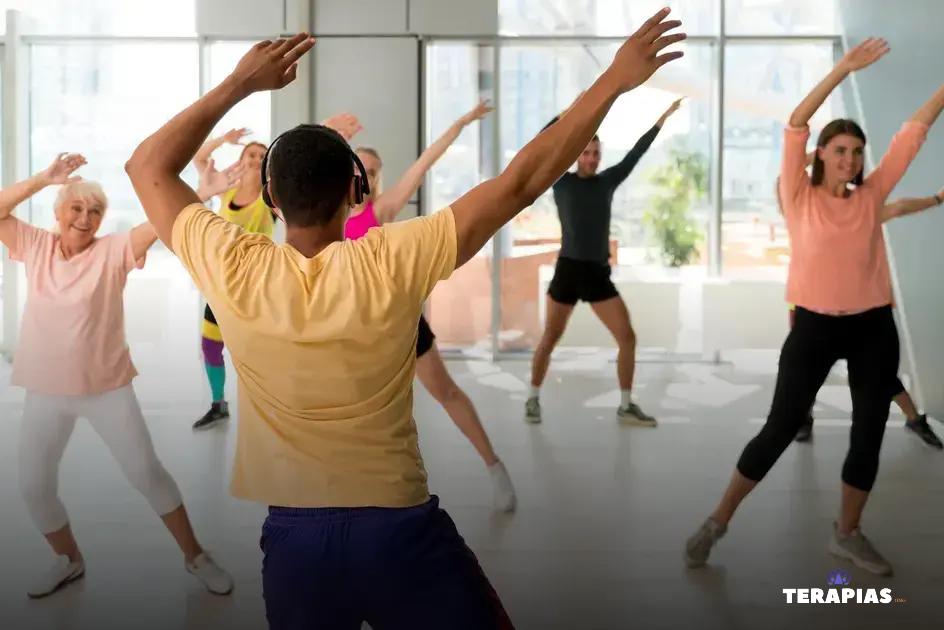
Dance therapy is a form of therapy that uses dance and movement as tools to promote healing and well-being. Through body expression and connection with music, dance therapy can play a significant role in the physical, mental and emotional healing process.
Dance therapy can help recover from physical injuries, promote flexibility, strengthen muscles and improve posture. In addition, regular dance practice can contribute to the release of endorphins, which can reduce pain and promote a general feeling of well-being.
The process of dancing and expressing oneself through movement can help reduce stress, anxiety and depression. Dance therapy can also promote self-esteem, self-expression and body awareness, allowing individuals to reconnect with themselves and their emotions in a positive way.
Dance therapy seeks to integrate body and mind, recognizing the connection between physical and emotional experiences. By working with body expression, dance therapy can help individuals access and process emotions that may be stored in the body, promoting a sense of wholeness and balance.
Through dance and movement, dance therapy participants have the opportunity to explore new ways of being and relating to themselves and others.
This process of self-exploration and discovery can lead to significant personal transformation and the development of new perspectives on life and well-being.
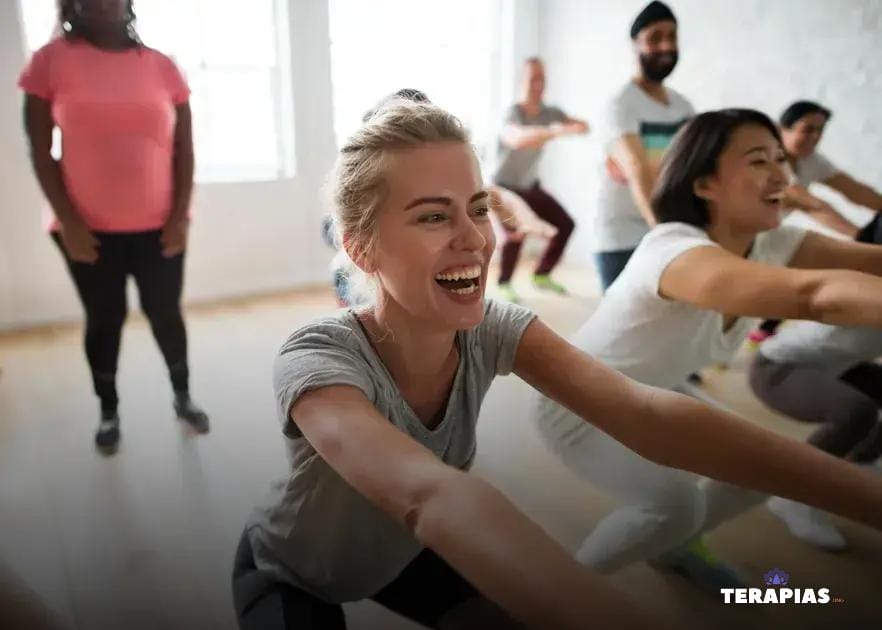
Dance therapy can be integrated into your daily life in various ways, providing benefits for your physical and mental health. By adopting therapeutic dance practices, you can experience an improvement in your quality of life and well-being.
Integrating dance therapy into your daily life involves exploring therapeutic movements that help release tension, express emotions and promote connection with your body. By incorporating these movements into your routine, you can experience a sense of relief and relaxation.
Use dance as a form of self-care, taking the time to move consciously and expressively. By practicing dance therapy regularly, you can strengthen your connection with your body and mind, promoting authenticity and emotional balance.
Look for ways to integrate dance therapy into your daily activities, whether it's dancing while doing household chores, taking part in therapeutic dance classes or simply taking moments to dance freely and spontaneously.
By integrating dance therapy into your daily life, you can reap the benefits of a practice that promotes expression, connection and integral well-being.
