

A reflexology pruningl is a treatment technique that uses pressure on specific points on the feet to stimulate healing and relieve pain and discomfort in other parts of the body.
This ancient practice is attracting more and more followers in search of alternative and complementary therapies to promote balance and well-being.

Foot reflexology is a therapeutic practice that consists of applying pressure to specific points on the feet in order to promote balance and well-being in the body as a whole.
These points on the feet are related to different organs and systems in the body, and stimulating these points can bring benefits to physical and emotional health.
This technique has its roots in ancient Eastern traditions, such as Chinese and Ayurvedic medicine, and it is believed that it can help restore the flow of vital energy, known as qi or prana, through the body.
Foot reflexology is often used as a complementary form of treatment, and many people report a feeling of relaxation and symptom relief after a session.

Foot reflexology is an ancient practice that has its roots in various cultures, including Chinese, Egyptian and Amerindian. It is believed that foot reflexology originated thousands of years ago, with evidence of its use in ancient paintings and texts.
The modern technique of foot reflexology, as we know it today, was developed at the beginning of the 20th century by the American doctor William H. Fitzgerald. He developed "Zone Therapy", which formed the basis for contemporary foot reflexology.
Foot reflexology was later improved and popularized by Eunice Ingham, a physiotherapist who mapped the reflex points on the feet and developed specific techniques to stimulate these points in order to promote balance and healing in the body.
Today, foot reflexology is recognized as a holistic and complementary practice that aims to promote physical, mental and emotional well-being through the stimulation of reflex points in the feet.
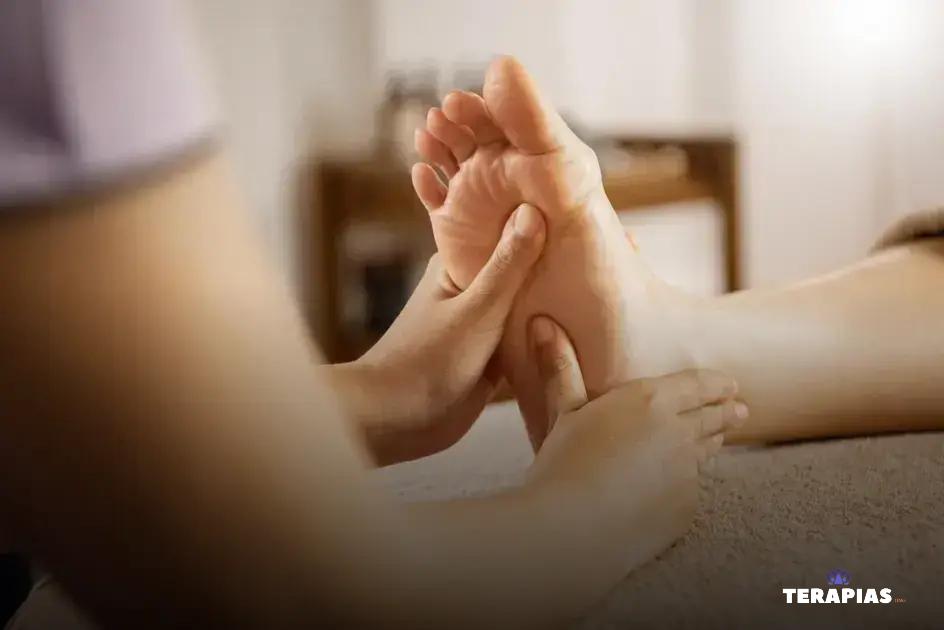
Foot reflexology is a therapeutic practice that uses pressure on specific points on the feet to stimulate different areas of the body. This technique aims to promote balance and harmony in the body, providing various benefits for physical and emotional health.
By stimulating reflex points in the feet, foot reflexology can help relieve stress, reduce muscle tension, improve blood circulation and promote a feeling of deep relaxation.
In addition, this practice can also help relieve pain, strengthen the immune system and stimulate the body's self-healing process.
Through foot reflexology, it is possible to stimulate organs, glands and various parts of the body, contributing to general well-being and improving quality of life.
Thus, this therapeutic technique can be used as a complement to the treatment of various health conditions, providing relief and relaxation.

Foot reflexology is a therapeutic practice based on the principle that there are reflex areas on the feet that correspond to organs, glands and other parts of the body. By applying pressure to specific points on the feet, it is possible to stimulate healing and balance in the body.
Reflexologists believe that applying pressure to specific areas of the feet can promote stress reduction, increase blood circulation, improve immune function and relieve pain and discomfort in other parts of the body.
How it works: During a foot reflexology session, the reflexologist uses manual techniques to apply pressure to reflex points on the feet, using the thumbs and fingers. The pressure is applied in a precise and controlled manner, and can vary according to the needs and sensitivities of each individual.
In addition to pressure, the reflexologist can also use stretching techniques and specific movements to stimulate the reflex points and promote relaxation and well-being.
It is important to emphasize that foot reflexology does not aim to diagnose, treat or cure specific diseases, but rather to promote balance and harmony in the body as a whole.
Foot reflexology works by stimulating reflex points in the feet to promote balance and harmony in the body, helping to improve quality of life and general well-being.

Foot reflexology offers a variety of benefits for health and well-being. By stimulating specific points on the feet, this therapeutic practice can provide relief for various conditions and promote balance in the body.
These are just some of the benefits that foot reflexology can offer, and many people report positive experiences when incorporating this practice into their health care routine.
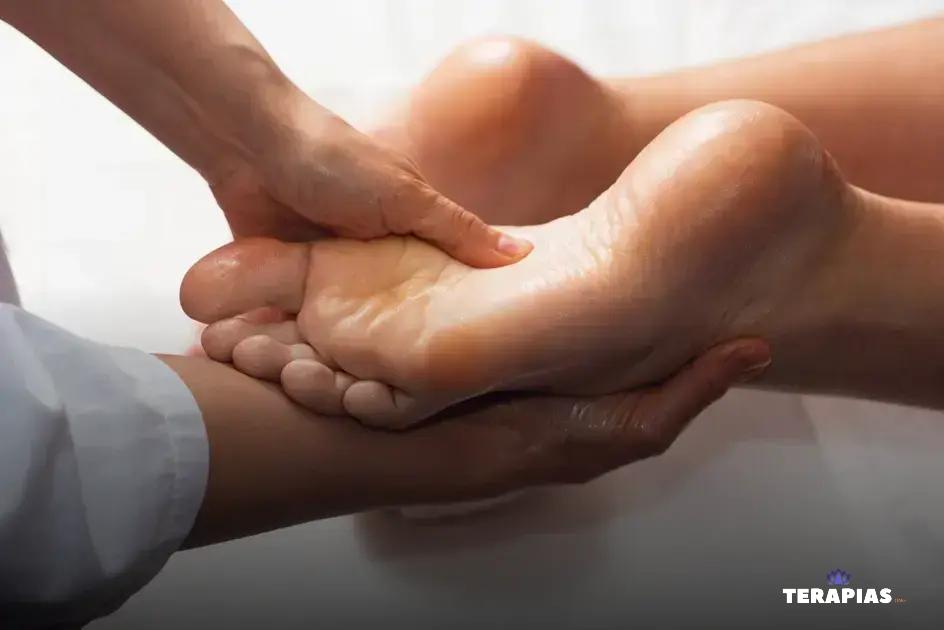
Foot reflexology is a therapeutic practice based on the idea that points on the feet correspond to different organs and systems in the body. By stimulating these points, it is possible to promote the balance and well-being of the body as a whole.
In foot reflexology, some specific points on the feet are considered especially important for relieving symptoms and boosting health. Knowing these key points is essential for the effective practice of foot reflexology.
These are just some of the main points of foot reflexology, and proper stimulation of each of them can bring significant benefits to an individual's health and well-being.

Foot reflexology is suitable for people of all ages who are looking for a natural approach to promote balance and health in the body. It can be especially beneficial for those who suffer from chronic pain, stress, sleep disorders, fatigue, digestive problems and more.
In addition, foot reflexology can be a valuable option for individuals who wish to complement their conventional treatments with alternative approaches aimed at promoting well-being and quality of life.
Pregnant women can also benefit from foot reflexology, as this technique can help relieve common discomforts during pregnancy, such as lower back pain, swollen feet and ankles, and anxiety.
It's important to note that foot reflexology is a safe and gentle practice, which makes it accessible to most people, regardless of their physical condition or health.
Foot reflexology is a therapeutic practice that offers numerous health benefits, however, there are situations in which its use is not recommended. It is important to be aware of the contraindications of foot reflexology in order to guarantee the patient's safety and well-being.
It is essential that the reflexologist is aware of possible contraindications before carrying out a foot reflexology session. Some of the main cases in which the practice should be avoided or adapted include:
It is essential that the reflexologist carries out a full assessment of the patient's condition before starting a foot reflexology session. In cases of doubt about the suitability of the practice, it is advisable to seek medical advice to ensure the safety and effectiveness of the treatment.
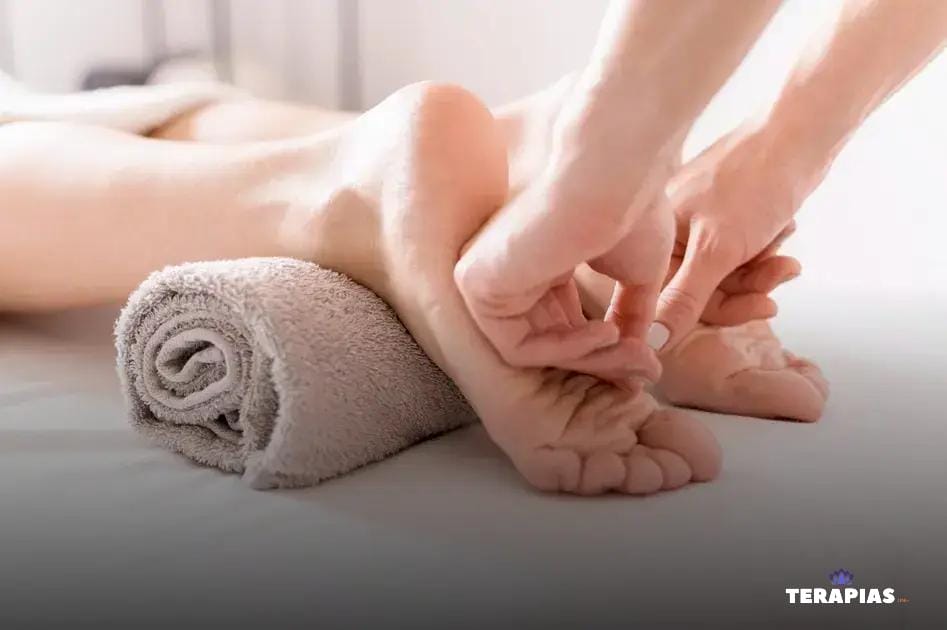
Foot reflexology is a therapeutic practice that uses the stimulation of points on the feet to promote balance and well-being in the body. Before a foot reflexology session, it's important to prepare yourself to maximize the benefits and the experience.
To fully enjoy the session, it is recommended that you wear comfortable, loose clothing so that you feel relaxed and at ease during the treatment.
Avoid eating heavy meals before the session, as foot reflexology can stimulate digestive processes and can be uncomfortable if your stomach is too full.
Drinking water before and after a foot reflexology session is important to help the body eliminate toxins and stay hydrated.
Before the session, it is important to tell the reflexologist about any health conditions, pain or discomfort you are experiencing, so that he or she can tailor the session to your specific needs.
To get the most out of the session, it's essential to relax and be open to the experience. Allow yourself to disconnect from the stress and worries of everyday life, and be present in the moment.
Remember that foot reflexology is a gentle, non-invasive practice designed to promote balance and harmony in the body. By preparing properly for the session, you can maximize the benefits and enjoy an even more rewarding experience.
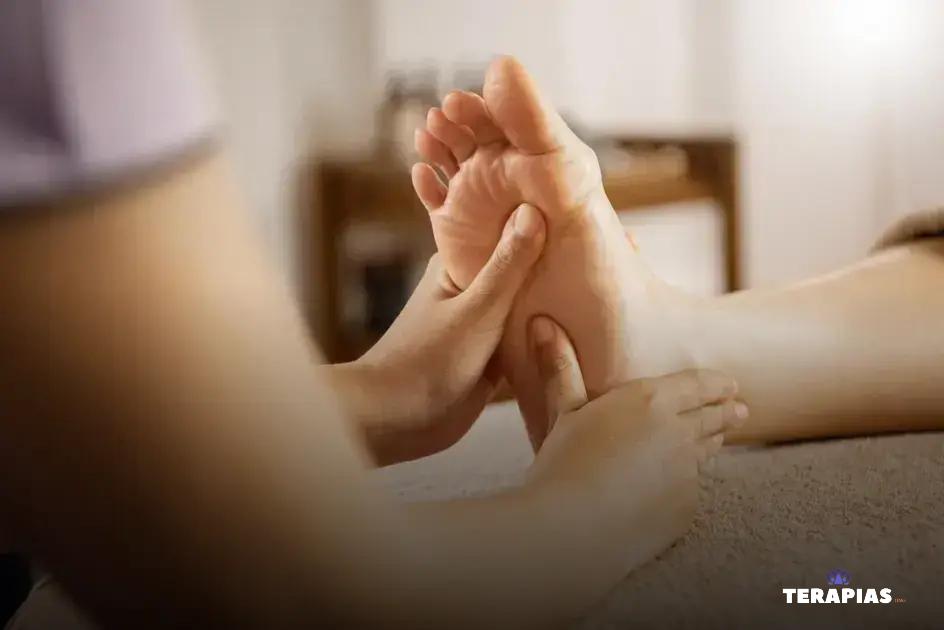
Foot reflexology is a practice that involves applying pressure to specific areas of the feet in order to promote relaxation and well-being in other parts of the body.
The reflexologist plays a key role in this process, using their knowledge and skills to provide relief and balance to their clients.
The reflexologist is responsible for identifying the reflex points on the feet that correspond to organs and systems in the body, and applying the appropriate pressure to stimulate these areas. Through therapeutic touch, the reflexologist seeks to restore the flow of energy and promote internal harmony.
In addition, the reflexologist must be attentive to the individual needs of each client, adapting the approach according to health conditions, medical history and personal sensitivities. Empathy and active listening are essential qualities for establishing a positive and trusting connection with clients.
It's important to note that the reflexologist's role goes beyond applying the technique itself. They also act as educators, providing information on the benefits of foot reflexology and advising clients on complementary practices to maintain the balance achieved during the sessions.
The reflexologist plays a crucial role in offering holistic care and support, promoting physical, mental and emotional well-being through foot reflexology.
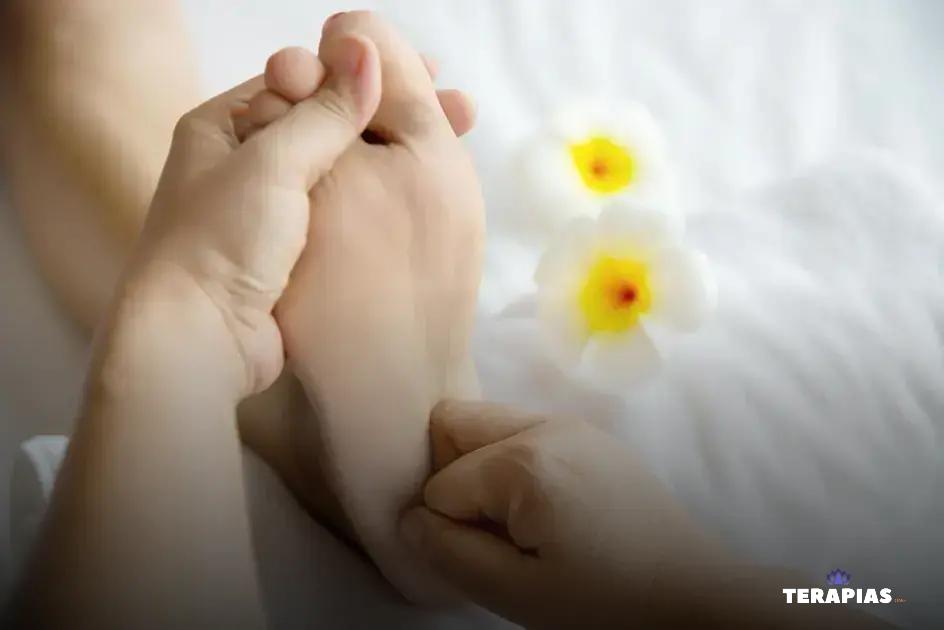
Foot reflexology can be an effective option for relieving painful conditions such as chronic pain, migraines, muscle and joint pain.
This therapeutic technique is based on the principle that points on the feet are connected to different parts of the body, and by stimulating these points, it is possible to promote pain relief and balance in the body.
Foot reflexology can help relieve pain by stimulating reflex points on the feet that correspond to the affected areas of the body. By applying pressure to specific points, blood circulation can be improved, muscles can relax and the release of endorphins can contribute to pain reduction.
Some of the most relevant points for relieving pain are located in the region corresponding to the spine, head, shoulders, knees and internal organs. The reflexologist can identify and work on these points according to the patient's pain condition.
Additional benefits of foot reflexology in painful conditions
It's important to note that foot reflexology is not a substitute for conventional medical treatment, but can be a complementary approach to relieving pain.
Before starting any foot reflexology treatment for painful conditions, it is essential to consult a qualified professional to assess the feasibility and safety of the procedure.
Foot reflexology can be a beneficial option for relieving painful conditions, but it should be carried out with proper guidance and care by an experienced and properly certified reflexologist.
[internal_linkage]
For more information and direct, objective articles like this one Foot reflexology: What this ancient technique is and what it's used forSee our full list of therapies.
Foot reflexology is a therapeutic technique that involves applying pressure to specific points on the feet, which are supposed to correspond to different organs and systems in the body. It aims to promote relaxation, pain relief and energy balance.
The points on the feet in reflexology are areas that supposedly correspond to organs, glands and parts of the body. It is believed that stimulating these points can promote the balance and health of these corresponding areas in the body.
The ideal frequency for foot reflexology can vary from person to person and will depend on individual needs, health condition and response to treatment. Generally, you can do foot reflexology 1 to 2 times a week to obtain consistent weekly benefits.
Applying pressure to the points is believed to stimulate the nerves and release chemical substances in the body, which can promote relaxation, pain relief and improve the flow of energy. These effects can contribute to the body's balance and help relieve physical and emotional symptoms.
The cost of a foot reflexology session can vary significantly depending on the region, the professional performing the treatment, the duration of the session and other factors. In general, prices can vary from approximately R$50.00 to R$150.00 per session, but this can be higher in metropolitan areas or when the therapist has special qualifications or offers additional services.
